
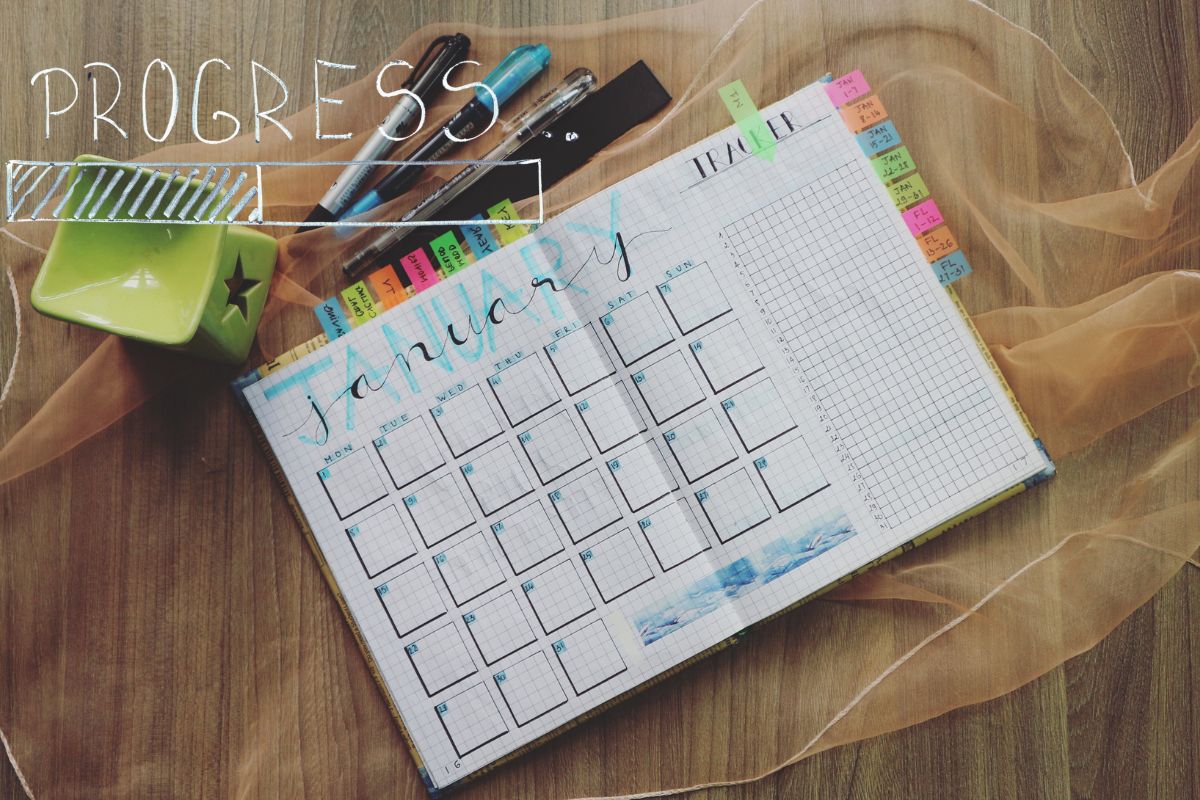
Have you ever lost track of a math test date or forgotten a homework deadline? Using a planner is a simple yet powerful way to keep your math study routine organized and focused.
A planner can be digital or paper-based, but the principle is the same: you record tasks, goals, and important dates so that you always know what’s next.
At BrainMatters Learning, we’ve watched students transform from overwhelmed to confident by adding a planner habit.
In this guide, we’ll walk you through why planners are so beneficial, how to set them up, and ways to use them daily.
Why Use a Planner for Math?
- Clarity: You can see all your math tasks—homework, quizzes, tests—in one place.
- Accountability: Checking off tasks feels satisfying and keeps you motivated.
- Consistency: Regular updates to your planner build a predictable routine for math.
- Stress Relief: No more last-minute panics wondering, “What’s due tomorrow?”
Big Idea: A planner is like a map for your math journey. Each assignment, practice session, or test is a point on that map.
Step #1 – Choose Your Planner Format
- Paper Planner
- Great if you like physically writing notes.
- You can doodle, color-code with pens, or use stickers.
- Digital Planner/Calendar
- Apps like Google Calendar, Apple Calendar, or Trello.
- Sync across devices, set alerts or notifications.
Tip: Pick the format you actually enjoy using. That increases the odds you’ll keep it updated.
Step #2 – List All Ongoing Math Commitments
Begin by writing down:
- Current chapters or units you’re studying
- Upcoming tests or quizzes (with dates)
- Regular homework or practice expectations
- Long-term projects (like research papers or group tasks)
Why It Helps
It ensures you know your math workload’s “big picture.” You can then slot these tasks into specific days or weeks.
Step #3 – Set Clear Math Goals
Decide on short-term and long-term goals:
- Short-Term: “Finish Algebra Chapter 4 homework by Wednesday.”
- Long-Term: “Improve my next test score by 10%” or “Master factoring polynomials this semester.”
Why It Helps
Goals give you a reason to keep opening and updating your planner. They act as “targets” that guide your weekly tasks.
Step #4 – Break Tasks into Manageable Steps
Say you have a math test in two weeks. Instead of writing “Study for the math test,” break it down:
- Review formulas for 15 minutes each night.
- Solve practice problems from the book or online.
- Take a mini mock test next weekend.
Why It Helps
Detailed steps are easier to tackle. Each step is something you can check off in your planner, which feels motivating.
Step #5 – Schedule Tasks on Specific Days
Use your planner to assign each step to a date or time block:
- Monday: Review definitions and key formulas (15 min)
- Tuesday: Practice 5 sample problems
- Wednesday: Re-check Tuesday’s solutions and fix errors
- Thursday: More practice problems
Tip: Include the approximate time you plan to spend. This keeps your schedule realistic.
Step #6 – Track Progress and Results
After you complete a math session or turn in an assignment:
- Check it off or mark it “Done.”
- Note your score or how you felt.
- If you discovered something tricky, write a quick reflection, like “Struggled with quadratic equations—review again on Friday.”
Why It Helps
You build a record of your math journey. It’s easier to see improvements and spot where you need extra help.
Step #7 – Use Reminders and Alarms
If you’re using a digital planner, set notifications for:
- Upcoming tests (get a reminder 2 days before).
- Due dates for big projects.
- Daily study times if you tend to forget.
Paper Planner Hack: Add sticky notes or highlight urgent tasks to keep them visible.
Step #8 – Review Your Planner Weekly
Pick a day—maybe Sunday—to look over the week:
- Check if you completed last week’s tasks.
- Plan for the next week’s chapters or assignments.
- Adjust if you’re behind or if something new pops up.
Why It Helps
A weekly review keeps your planner accurate. You’ll spot any conflicts or open slots for deeper math practice.
Bonus Tips
- Color-Code: Use different colors for homework, tests, and projects.
- Leave Buffer Time: Don’t schedule every minute. Give yourself room for surprises or tough topics.
- Stay Flexible: If you need more time on a concept, shift your schedule rather than giving up.
Conclusion
Using a planner for math progress is like having a personal coach that reminds you of goals, deadlines, and daily to-dos.
By listing your tasks, setting clear goals, breaking work into smaller steps, and reviewing regularly, you’ll gain control over your math routine.
At BrainMatters Learning, we’ve seen students thrive with this method—turning math from a stressful scramble into a steady path of growth. Start planning today and watch your math confidence soar!


