
For many students, essay writing becomes a stressful, last-minute marathon session.
You might find yourself staying up late, scribbling paragraphs, and hoping everything comes together.
But cramming an essay often leads to rushed logic, unclear structure, and grammar errors.
Research in the Writing & Composition Studies Journal shows that students who draft their essays in stages produce clearer, more coherent writing.
This article provides tips on how to avoid last-minute essay cramming and instead adopt a structured approach that will save you time and anxiety.
The Problem with Last-Minute Essays
- Unclear Argument: Without time to brainstorm, your thesis might be weak or vague.
- Poor Editing: Rushing leads to mistakes in grammar and style that you don’t catch.
- Higher Stress: Racing the clock can cause panic, making it harder to think critically.
Analogy: Think of writing an essay like baking a cake. If you throw all ingredients together at the last second, your cake might not rise properly or taste good. But with the right prep time, you can bake something delicious and well-crafted.
Step-by-Step Plan to Avoid Cramming
1. Start with a Brain Dump
- Jot down everything you know or want to explore about the topic.
- Identify themes or angles you find interesting.
This step should happen early—ideally, when you first learn about the essay assignment.
2. Organize Your Thoughts
- Create an outline with headings: Introduction, Main Points, Conclusion.
- List sub-points or evidence under each heading.
- Keep track of sources you might cite.
Why It Works: Keeps your thoughts organized so you know exactly what to write.
3. Draft in Sections
Write one section at a time, rather than the entire essay at once:
- Introduction: Present your thesis statement and an overview of your arguments.
- Body Paragraphs: Each paragraph focuses on one main idea or piece of evidence.
- Conclusion: Summarize the key points and restate the significance of your argument.
Research Spotlight: A study in College Composition and Communication found that students who draft body paragraphs first and introduction later often create stronger, more coherent essays.
Editing and Proofreading
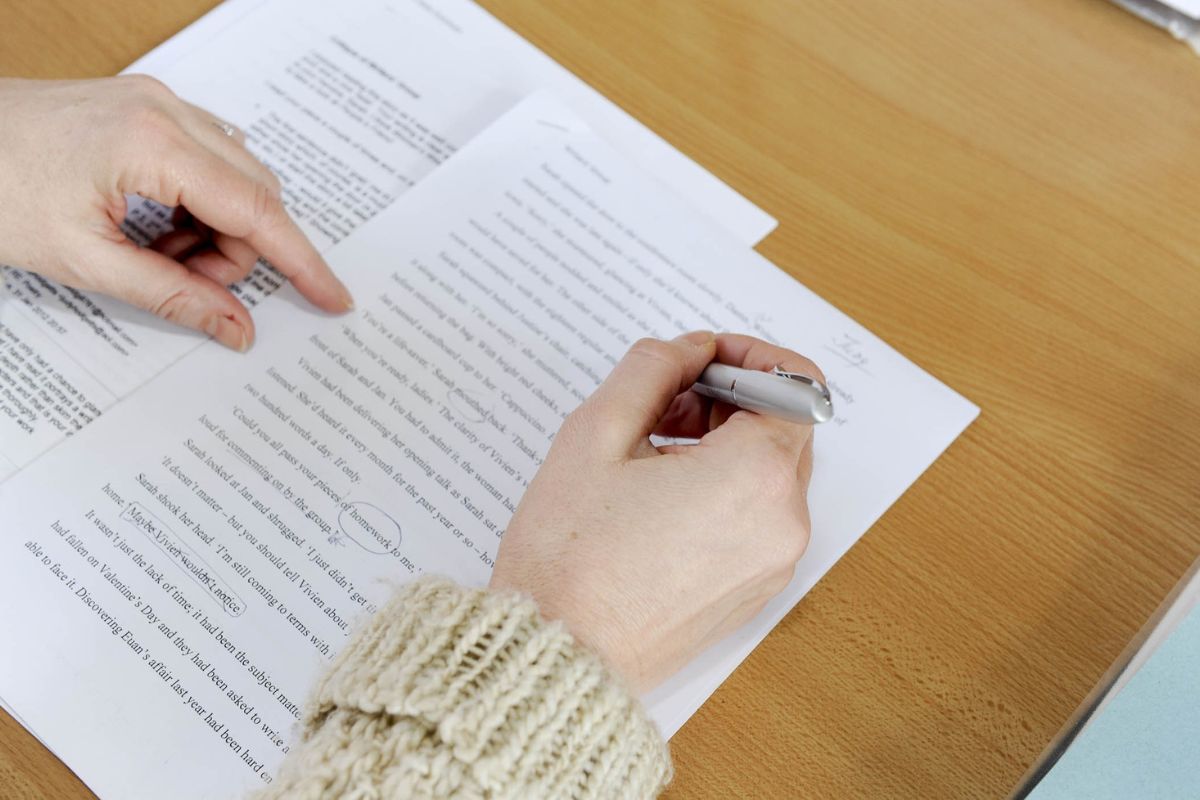
Review your draft at least twice, preferably on different days.
Why It Works: Fresh eyes catch mistakes you missed the first time.
- Read Aloud: Hearing your words helps you spot awkward phrases or run-on sentences.
- Seek Feedback: A peer or family member can point out confusing sections.
- Use Grammar Tools: Spell-checkers or writing apps can catch common mistakes.
Manage Your Time
- Set Mini-Deadlines: Finish the outline by day one, the rough draft by day two, editing by day three.
- Schedule Breaks: Step away from your essay between drafts. Fresh eyes catch more errors.
- Avoid Perfectionism: Don’t get stuck on one sentence for hours. Move on and revisit it later.
Overcoming Writer’s Block
- Freewriting: Write continuously for 5–10 minutes without worrying about grammar. You might unlock new ideas.
- Change Environment: Move to a different room or a quiet cafe to spark creativity.
- Reward Progress: Each time you finish a section, treat yourself to a quick walk or a snack.
Final Touches
- Double-Check Citations: Ensure you follow the required format (APA, MLA, etc.).
- Look for Flow: Read through your essay to see if each paragraph connects logically.
- Finalize Word Count: Make sure you meet (or are close to) the required length without unnecessary fluff.
Get Feedback
Ask a friend or teacher to read your draft and give suggestions.
Why It Works: A second opinion can spot unclear ideas or grammar issues you overlooked.
Key Takeaways
Avoiding a crammed essay is about planning, drafting in stages, and revising with care. Instead of the frantic scramble, approach each essay as a process—brainstorm, outline, draft, then edit.
This structured method not only reduces stress but also results in clearer, more compelling writing.
Think of it as giving your ideas time to “breathe,” so you end up with an essay that truly reflects your best thinking.


